Everyday meals without making the routine complicated
Nourishing your body shouldn't feel like a chore. Embrace local Kenyan ingredients, simple prep, and gentle eating habits to maintain your energy throughout a bustling day.
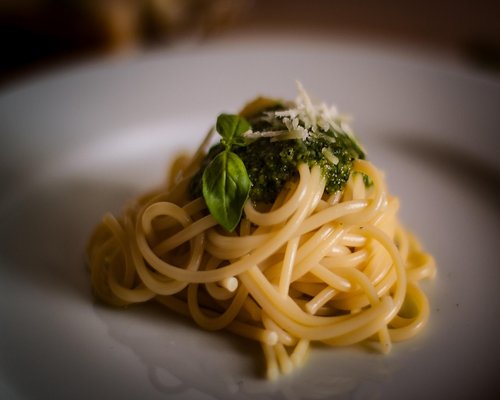
Mindful Portions & Local Foods
It’s not just about what you eat, but how you plate it. When enjoying hearty local staples like ugali, rice, or chapati, taking time to balance the plate with plenty of sukuma wiki or cabbage makes a difference.
Instead of rushing a large meal at a local kibanda, try to eat slowly. Stopping when you feel comfortably satisfied, rather than overly full, leaves you feeling lighter and more energetic for the afternoon tasks.
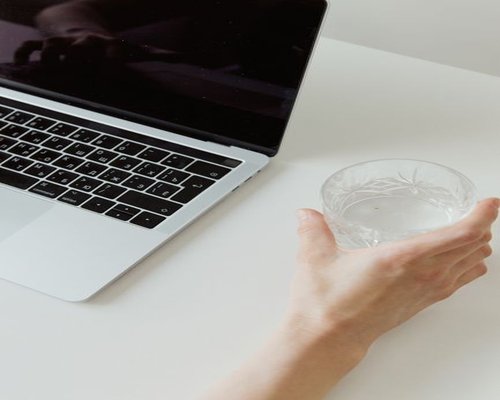
Consistent Hydration
Kenya's varied climate, from the coastal heat of Mombasa to sunny afternoons in Nakuru, demands good hydration. Don't wait until you are extremely thirsty.
Keep a reusable water bottle at your office desk or in your bag. Sipping water steadily throughout the day prevents dehydration, which is often mistaken for fatigue or hunger mid-afternoon.

Morning Pauses & Regularity
Spacing out your meals helps your body anticipate food and maintain a steady rhythm. Rather than working from morning till evening without a break, establish a routine.
A cup of warm Kenyan tea in the morning can be a moment of calm. Taking small, intentional pauses to eat something light during the day is far better than skipping meals entirely.
Your Daily Habit Checklist
Colorful Additions
Did I include a serving of colorful vegetables or seasonal tropical fruit with my main meals today?
Water Intake
Have I been sipping water steadily since the morning, rather than drinking it all at once?
Distraction-Free Eating
Did I eat at least one meal today without scrolling through my phone or watching TV?
Listening to the Body
Did I pause midway through my meal to check if I was feeling comfortably full?
Food is just one part of the equation
How you rest and move throughout the day heavily influences how you feel after meals.
Explore Routine & RestThe content provided on Baponez is strictly informational and educational. It reflects general lifestyle habits. This project does not provide medical diagnosis, does not offer treatment, does not give medical instructions regarding diabetes, glucose, or blood sugar, does not promise to lower, control, or stabilize blood sugar levels, and is never a substitute for professional evaluation by a qualified healthcare provider.